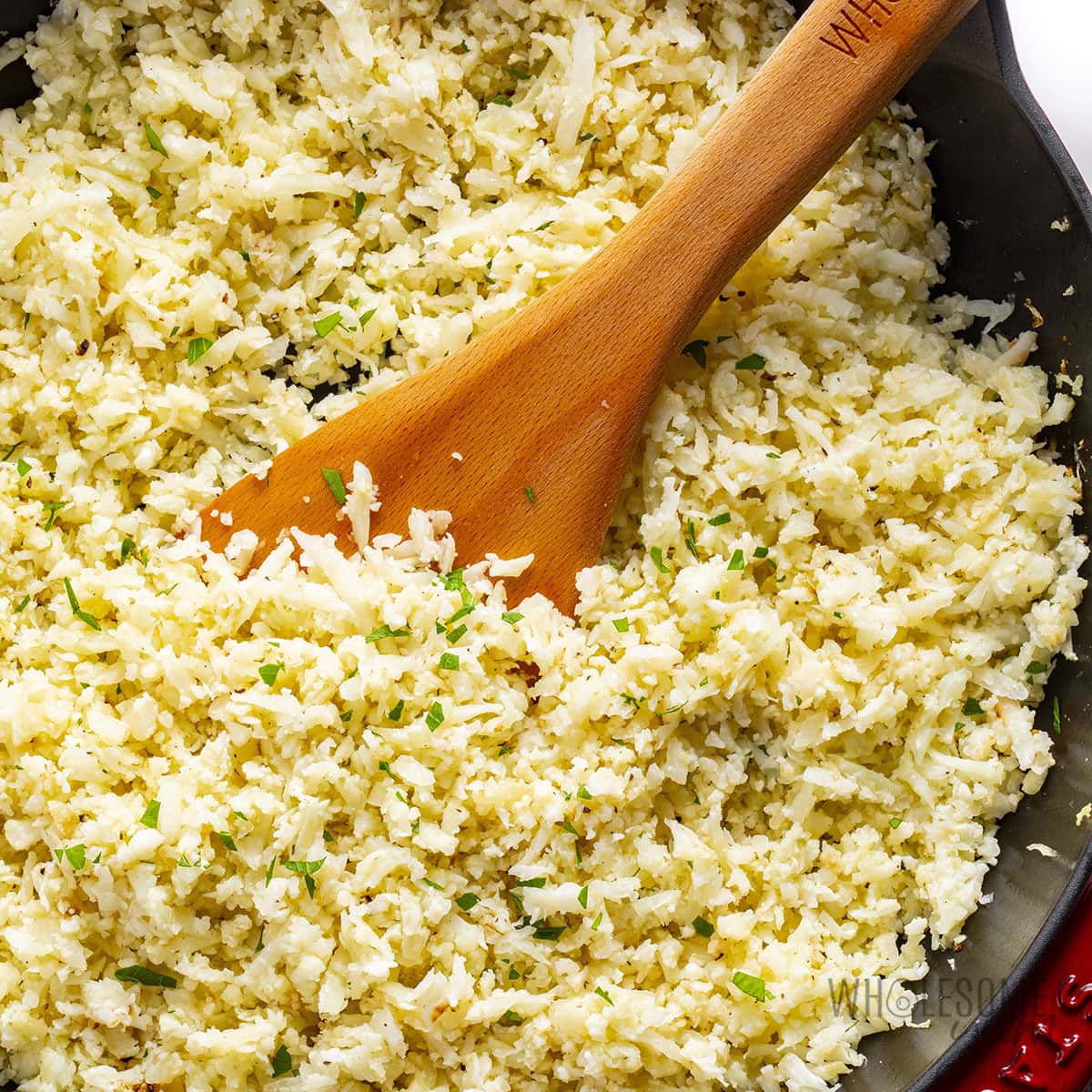
Mastering Cauliflower Rice: A Guide to Delicious Cooking Methods
In the evolving landscape of healthy eating, cauliflower rice has firmly established itself as a beloved low-carb, low-calorie alternative to traditional grains. Boasting a remarkable 77% fewer calories and 89% fewer carbohydrates than white rice, it's an undeniable win for those seeking to lighten their meals without sacrificing satisfaction. While it's important to set realistic expectations – it won't perfectly replicate the chewiness of rice – when prepared thoughtfully, cauliflower rice transforms into a versatile and incredibly delicious component that complements an array of dishes, from vibrant curries to savory stir-fries.
The beauty of cauliflower rice lies not just in its nutritional profile, but also in its mild, neutral flavor. This characteristic allows it to readily absorb the vibrant tastes of whatever sauce or seasoning it's paired with, making it a culinary chameleon. Far less "cauliflowery" than plain steamed florets, the flavor mellows significantly when grated into tiny, rice-like pieces. With the right cooking technique and a dash of creativity, you might even forget it's not rice altogether!
This comprehensive guide will walk you through the various ways to cook cauliflower rice, from lightning-fast microwave steaming to a flavorful oven bake that brings out a delightful nuttiness. We'll explore the nuances of each method, providing practical tips to ensure your cauliflower rice is anything but bland or disappointing.
Prepping Your Perfect Cauliflower Rice
Before you even think about cooking, achieving the right "rice" texture is paramount. The goal is small, uniform pieces that mimic rice, ensuring an even cook and pleasant mouthfeel.
- Food Processor with Grating Disc: This is arguably the most efficient and effective method. Pushing cauliflower florets through a food processor fitted with a grating disc (read more about achieving perfect cauliflower rice bits here) yields consistently sized, rice-like pieces. The grating disc outperforms the standard "S" blade, which can sometimes result in an uneven mix of couscous-like bits and larger chunks.
- Manual Grater: Don't have a food processor? A standard box grater works wonderfully, producing excellent rice-sized pieces. Be warned, though, it can be a bit messier, often scattering tiny cauliflower bits across your counter!
Once you have your riced cauliflower, it's ready for its transformation.
Choosing Your Cooking Adventure: Methods Explored
The best way to cook your cauliflower rice often depends on your available time, desired texture, and the specific meal you're preparing. Here are the most popular and effective methods:
1. Microwave Steaming: The Fastest Route to Readiness
When time is of the essence, the microwave is your best friend. This method gently steams the cauliflower, resulting in tender, fluffy "rice" in minutes.
- Method: Place your riced cauliflower (no water needed) into a microwave-safe container with a lid. Cook on high for approximately 4 minutes.
- Why it works: The cauliflower releases its own moisture, creating steam within the sealed container, which cooks it quickly and evenly.
- Tips for Success:
- Don't overcrowd: For best results, avoid packing the container too full. If cooking a large batch, do it in stages.
- Season after cooking: While you can add a pinch of salt beforehand, it's often best to season thoroughly once cooked, as the flavor will be more concentrated.
- Fluff with a fork: Immediately after cooking, remove the lid carefully (watch out for steam!) and fluff with a fork to release any trapped moisture and prevent clumping.
2. Oven Steaming: Gentle and Even Cooking
For a hands-off approach that still delivers a tender, steamed result, oven steaming is an excellent choice. This method is particularly good for larger batches.
- Method: Spread the riced cauliflower evenly in a baking dish. Cover tightly with a lid or aluminum foil. Bake at 200°C (390°F) for about 20 minutes.
- Why it works: Similar to microwaving, the sealed environment traps moisture, steaming the cauliflower uniformly without direct exposure to high heat, which can cause browning.
- Tips for Success:
- Tight seal is key: Ensure your dish is well-covered to prevent steam from escaping, which could dry out your cauliflower.
- Check for tenderness: Cooking times can vary slightly depending on your oven and the amount of cauliflower. It should be tender-crisp, not mushy.
- Great for meal prep: This method allows you to prepare a larger quantity efficiently for your weekly meal planning.
3. Oven Baking: Unlocking a Nutty, Rich Flavor
If you're looking to add depth and a slight crispness to your cauliflower rice, oven baking is the way to go. This method introduces a delightful nutty flavor that elevates the dish beyond a mere substitute.
- Method: Toss your riced cauliflower with a tablespoon or two of oil (olive oil, avocado oil, or coconut oil all work well) and a pinch of salt and pepper. Spread it in a single layer on a baking sheet. Bake at 200°C (390°F) for approximately 15 minutes, stirring once halfway through.
- Why it works: The direct dry heat of the oven, combined with a little fat, allows the cauliflower to slightly caramelize and develop a more complex flavor profile, far from its raw state.
- Tips for Success:
- Don't skimp on fat: As the adage goes, "fat is flavor!" Cauliflower on its own is very lean, so adding a healthy fat is crucial for enhancing taste and texture.
- Single layer is essential: Overcrowding the baking sheet will steam the cauliflower instead of baking it, preventing that desired nutty texture. Use two sheets if necessary.
- Experiment with seasonings: Before baking, try tossing with garlic powder, onion powder, paprika, or your favorite dried herbs for an extra flavor boost.
4. Stovetop Sautéing: Versatile and Quick
The stovetop offers a quick and versatile method for cooking cauliflower rice, allowing you to build flavor directly in the pan.
- Method: Heat a tablespoon of oil (or butter) in a large skillet or non-stick pan over medium-high heat. Add the riced cauliflower and sauté, stirring frequently, for about 4-6 minutes, or until tender-crisp.
- Why it works: Direct heat and constant movement ensure even cooking and can introduce a slight sear, adding flavor. It also allows for easy integration of other ingredients.
- Tips for Success:
- Don't overcrowd the pan: Again, this is key. If you have too much cauliflower, it will steam rather than sauté. Work in batches if needed.
- Add aromatics: Sautéing is perfect for starting with minced garlic, chopped onion, or ginger before adding the cauliflower rice for a flavorful base.
- Season creatively: Finish with a splash of soy sauce, a squeeze of lime, fresh herbs, or a sprinkle of nutritional yeast for cheesy flavor.
Elevating Your Cauliflower Rice: Beyond the Basics
While plain cauliflower rice serves as an excellent canvas, you can transform it into a showstopper with a few extra steps. Remember, cauliflower's neutral flavor profile is its superpower, making it incredibly adaptable.
- Embrace the Fat: As noted, raw cauliflower has virtually no fat. Incorporating healthy fats like olive oil, avocado oil, or even butter not only aids in cooking but dramatically boosts flavor and satiety. Don't be afraid to use it!
- Aromatics and Spices are Your Friends: Think beyond salt and pepper. Sautéing your cauliflower rice with minced garlic, chopped onions, ginger, or even a pinch of curry powder, turmeric, or smoked paprika can completely change its character. Fresh herbs like cilantro, parsley, or chives added at the end also bring freshness.
- Liquid Gold: Instead of plain water, a splash of vegetable or chicken broth during stovetop cooking can infuse the cauliflower with deeper flavor.
- Serving Suggestions: Cauliflower rice truly shines when served as a side to saucy mains like Honey Garlic Chicken or rich curries. It's also fantastic as a base for low-carb pilafs, fried "rice," or even in burrito bowls.
Conclusion
Cauliflower rice is much more than just a low-carb alternative; it's a versatile ingredient that, with the right preparation and cooking method, can be genuinely delicious and satisfying in its own right. Whether you opt for the speed of the microwave, the evenness of oven steaming, the deep flavor of oven baking, or the flexibility of stovetop sautéing, the key is to understand its nature and embrace flavor-boosting techniques. So go ahead, experiment with these methods, season boldly, and discover just how delightful cauliflower rice can be in your kitchen!
