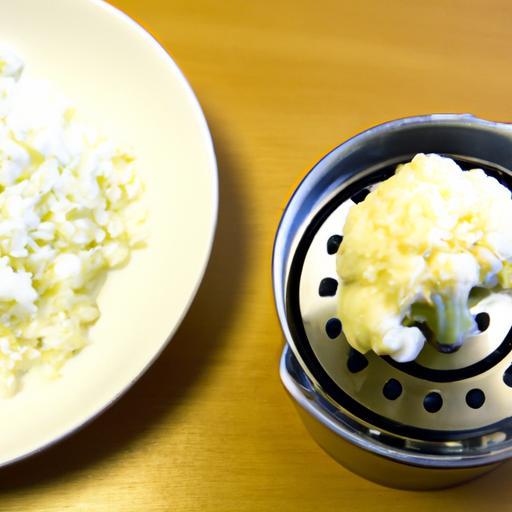
The Rise of Cauliflower Rice: A Healthy Staple for Modern Kitchens
In the culinary world, few ingredients have seen a surge in popularity quite like cauliflower rice. Hailed as a game-changer for those seeking healthier alternatives, this versatile vegetable substitute has firmly established itself as a staple in low-carb, keto, and gluten-free diets. But what exactly makes cauliflower rice so appealing, and how can you ensure your homemade version reaches its full potential?
At its core, cauliflower rice is simply cauliflower that has been processed into small, grain-like bits, mimicking the texture of traditional rice. Its nutritional profile is impressive: a mere fraction of the calories and carbohydrates found in white rice, offering a nutrient-dense option without sacrificing the satisfying mouthfeel of a starchy side. For many, it's not just a compromise but a delicious dish in its own right, especially when prepared with care and creativity.
Let's be clear: cauliflower rice is not rice. Anyone claiming it's an identical twin might be stretching the truth. However, it is an incredibly effective and tasty substitute. The magic lies in its mild, neutral flavor, which is significantly less "cauliflowery" than plain steamed florets. This subtlety makes it a perfect canvas for absorbing the vibrant flavors of sauces, spices, and herbs, allowing it to blend seamlessly into everything from curries and stir-fries to pilafs and grain bowls. The key to unlocking this delicious potential often starts with how you process the cauliflower, ensuring you get those perfect, uniform "rice bits."
Crafting Perfect Cauliflower Rice: Food Processor vs. Hand Grater
The journey to perfect cauliflower rice begins with the right tools and technique. The goal is to achieve a consistent, rice-like texture that cooks evenly and provides a pleasant mouthfeel. While there are a couple of popular methods, each has its distinct advantages and drawbacks.
The Food Processor: Speed and Precision
For many home cooks, a food processor is the ultimate weapon in the cauliflower rice arsenal. It offers speed, efficiency, and, when used correctly, superior consistency.
- The Grating Disc: Your Best Friend
The absolute best and fastest way to create uniformly sized cauliflower rice bits is by using your food processor fitted with the grating disc. Simply push cauliflower florets through the feeding tube, and watch as they are effortlessly transformed into perfectly textured, rice-shaped pieces. This method ensures that each piece is roughly the same size, which is crucial for even cooking and a consistent eating experience. It minimises mushiness and maximises that desirable "al dente" bite, making your cauliflower rice eating experience as similar as possible to traditional rice. - The "S" Blade (Default Blade): A Compromise, Not Ideal
While the default "S" curve blade that comes with most food processors can be used, it's generally not recommended for optimal results. When using the "S" blade, you'll often find an uneven texture: some bits will be finely processed like couscous, others will be perfect rice size, and some might remain chunky like lentils. This inconsistency can lead to uneven cooking, with some parts becoming mushy while others remain too firm. If you must use the "S" blade, work in small batches and use short, controlled pulses to avoid over-processing certain sections and turning your cauliflower into a purée. It requires more vigilance and often yields less satisfying results compared to the grating disc or even a hand grater.
Pros of the Food Processor:
- Speed: Quickly processes large quantities.
- Consistency: Especially with the grating disc, yields uniform pieces.
- Less Mess: Contained processing minimizes scattered bits.
Cons of the Food Processor:
- Requires specific grating disc for best results.
- Risk of over-processing with the "S" blade.
- Can be noisy.
The Hand Grater: Traditional & Effective (But Messy!)
Don't own a food processor or the right attachment? No problem! Your everyday standard box grater is a perfectly viable, and often surprisingly effective, tool for making cauliflower rice. In fact, many find it yields a more consistent rice-like texture than a food processor's "S" blade.
To use this method, simply take your cauliflower florets and grate them using the large holes of a box grater. It's a straightforward process, but fair warning: it can be a bit messy! You'll likely end up with little bits of cauliflower scattered across your counter, and possibly even on the floor.
Tips for Hand Grating:
- Use a large, deep bowl to contain the grated cauliflower and minimise mess.
- Place the grater inside the bowl for easier collection.
- Hold the florets firmly and grate steadily.
- Consider wearing gloves if your hands are sensitive or for better grip.
Pros of the Hand Grater:
- Accessibility: Most kitchens have a hand grater.
- Consistency: Often better than the "S" blade for rice-like texture.
- Control: You have direct control over the size and texture.
Cons of the Hand Grater:
- Messy: Expect cauliflower bits everywhere.
- Labor-intensive: More effort required, especially for large batches.
- Slower: Takes more time than a food processor.
Beyond the Chop: Elevating Your Cauliflower Rice Experience
Once you've mastered the art of creating perfect cauliflower rice bits, the next step is to make them truly sing. The neutral flavor of cauliflower means it eagerly soaks up whatever seasonings and cooking methods you throw its way.
Flavor is Fat: Raw cauliflower has virtually no fat, which is why simply steaming it can result in a bland dish. Incorporating a healthy fat like olive oil, avocado oil, or a knob of butter during cooking is paramount. This not only adds richness but also helps the cauliflower rice achieve that desired nutty flavor, particularly when sautéed or oven-baked.
Seasoning is Key: Don't be shy with seasonings! A simple sprinkle of salt and pepper is a good start, but consider elevating your dish with garlic powder, onion powder, paprika, turmeric, or your favorite dried herbs like oregano or thyme. Fresh herbs added at the end, like chopped parsley or cilantro, can also brighten the flavor profile significantly.
Cooking Methods Matter: The way you cook your cauliflower rice can dramatically impact its taste and texture. Each method offers a different outcome, catering to various preferences and time constraints. For a comprehensive guide on cooking methods, check out our article: Ways to Cook Cauliflower Rice: From Fast Microwave to Nutty Oven.
- Microwave Steaming (Fastest): Place riced cauliflower in a lidded container (no water needed), microwave on high for about 4 minutes. Ideal for a quick, tender result.
- Oven Steaming: Spread in a baking dish, cover with a lid or foil, and bake at 200°C/390°F for 20 minutes. Produces soft, steamed rice.
- Oven Baking (Nutty Flavor): Toss with a little oil and bake uncovered at 200°C/390°F for 15 minutes. This method encourages a slight browning, imparting a delicious nutty flavor.
- Stovetop Sauté (Versatile): Sauté with a bit of oil in a pan over medium heat for around 4-7 minutes, stirring occasionally. This is excellent for building flavor and allows for easy addition of other ingredients like garlic or onions.
Troubleshooting & Advanced Tips for Cauliflower Rice Perfection
Even with the best tools, a few expert tips can make all the difference in your cauliflower rice journey.
- Avoiding Wateriness: Overcooking is the primary culprit behind watery or mushy cauliflower rice. Cook just until tender-crisp. If your raw cauliflower seems particularly wet (e.g., after washing), gently pat it dry with a paper towel before processing.
- Don't Overcrowd the Pan: When sautéing, avoid piling too much cauliflower rice into the pan. This lowers the temperature, steaming the cauliflower instead of allowing it to gently brown and develop flavor. Work in batches if necessary.
- Batch Prepping for Convenience: Cauliflower rice is fantastic for meal prep. You can process a whole head of cauliflower and store the raw "rice" in an airtight container in the refrigerator for up to 5-7 days, or freeze it for even longer. Cooked cauliflower rice also stores well for a few days.
- Choosing the Best Cauliflower: Always opt for a firm, dense head of cauliflower with bright white florets and fresh, green leaves. Avoid any heads with soft spots or discoloration.
- Creative Applications: Don't limit cauliflower rice to just a side dish! Use it as a base for fried rice, add it to breakfast scrambles, mix it into taco meat, or even use it as a low-carb alternative in stuffed peppers. Its versatility knows no bounds.
Conclusion
Whether you're a seasoned chef or a home cook looking to embrace healthier eating habits, mastering cauliflower rice is a valuable skill. While the food processor with a grating disc offers unparalleled speed and consistency, a simple hand grater can also yield excellent results, proving that you don't need fancy gadgets to enjoy this fantastic low-carb alternative. By understanding the nuances of preparation and embracing flavor-enhancing techniques, you can transform a humble head of cauliflower into a delicious, satisfying, and endlessly versatile dish that truly stands on its own. So, choose your weapon, get grating, and prepare to be astonished by the culinary potential of perfect cauliflower rice bits!
