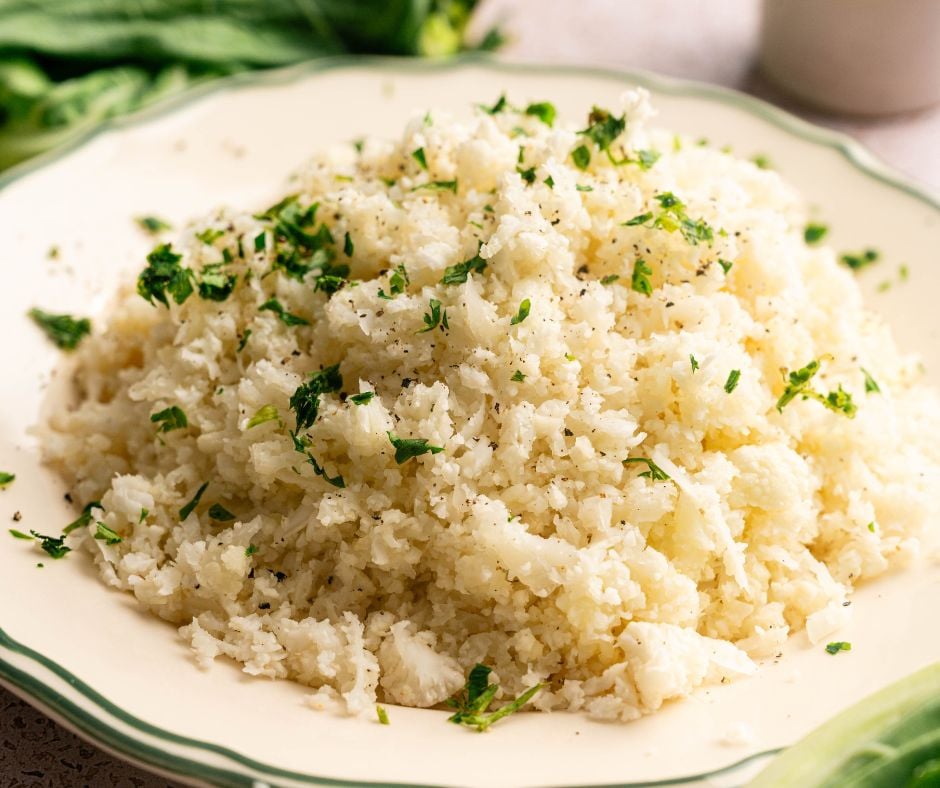
Cauliflower Rice: Your Delicious & Healthy Low-Carb Alternative
In the quest for healthier eating and reduced carbohydrate intake, one vegetable has emerged as a true culinary chameleon: cauliflower. Transformed into "cauliflower rice," it offers a remarkably versatile and delicious low-carb alternative to traditional grains. Forget the notion that healthy eating means sacrificing flavor; when prepared thoughtfully,
cauliflower rice can be an astonishingly satisfying and flavorful component of almost any meal. It's a game-changer for anyone looking to lighten their plate without compromising on taste or texture.
The statistics alone are compelling: a serving of cauliflower rice boasts approximately 77% fewer calories and an astounding 89% fewer carbohydrates compared to white rice. This makes it an invaluable ally for those following ketogenic, paleo, Whole30, or gluten-free diets, or simply anyone aiming to reduce their overall carb consumption. But beyond the numbers, what truly sets
cauliflower rice apart is its incredible adaptability and how effectively its mild flavor can be transformed into a culinary delight.
While it’s important to be realistic – anyone claiming
cauliflower rice is *exactly* the same as traditional rice might be stretching the truth – it is an exceptionally good substitute that offers its own unique deliciousness. Its inherently neutral flavor means it acts as a perfect canvas, absorbing the vibrant tastes of sauces, spices, and other ingredients it's paired with. You’ll be pleasantly surprised at how easily it integrates into your favorite dishes, often leaving you to forget it isn't rice at all!
Mastering the Art of "Ricing" Cauliflower: Tools for Perfect Bits
The foundation of great
cauliflower rice lies in how you prepare the florets. The goal is to transform the firm vegetable into small, uniform, rice-like grains. Achieving this consistency is crucial for even cooking and a pleasant mouthfeel. Fortunately, there are several effective methods, each with its own advantages.
The most efficient and recommended tool for achieving perfectly uniform rice-shaped pieces is a **food processor fitted with a grating disc**. This specialized attachment quickly processes cauliflower florets through its feeding tube, producing consistent, small grains that mimic the texture of rice. It’s a fast, clean, and highly effective method that minimizes mess and maximizes consistency.
While many food processors come with a default "S" curve blade, which can technically be used, it's generally less effective for producing uniform grains. With the "S" blade, you might find some pieces resembling couscous, others lentil-sized, and some genuinely rice-like. While it gets the job done in a pinch, the inconsistency can lead to uneven cooking and a less satisfying texture. If precision is your priority, the grating disc is the superior choice.
Don't own a food processor? No problem! A standard **box grater** works surprisingly well, often yielding more consistent rice-sized pieces than the "S" blade of a food processor. The trade-off, however, is the mess. Grating cauliflower manually can result in tiny bits scattering across your counter and floor. A good tip is to grate over a large bowl or directly into a container to help contain the stray pieces. Whichever method you choose, the key is to aim for consistency in size for optimal cooking results. For a more detailed comparison of techniques, explore our guide on
Food Processor vs. Grater: Making Perfect Cauliflower Rice Bits.
Cooking Cauliflower Rice to Perfection: Methods & Flavor Enhancement
Once you've "riced" your cauliflower, the next step is cooking it. The beauty of
cauliflower rice lies in its quick cooking time and the variety of methods you can employ, each imparting slightly different textures and flavors.
Here are the most popular and effective cooking methods:
1.
Microwave Steam (Fastest): This is by far the quickest option. Place your riced cauliflower in a microwave-safe container with a lid (no added water needed). Microwave on high for approximately 4 minutes. The internal moisture of the cauliflower creates its own steam, cooking it to a tender-crisp consistency.
2.
Oven Steam: For a hands-off approach, place the riced cauliflower in a baking dish, cover it tightly with a lid or aluminum foil, and bake at 200°C/390°F for about 20 minutes. This method also steams the cauliflower, resulting in a soft, fluffy texture ideal for absorbing sauces.
3.
Oven Bake (Nutty Flavor): If you prefer a slightly drier texture and a delightful nutty flavor, toss the
cauliflower rice with a tablespoon of olive oil or avocado oil before spreading it on a baking sheet. Bake uncovered at 200°C/390°F for about 15 minutes, stirring halfway. The direct heat allows for some caramelization and browning, enhancing the flavor profile significantly.
4.
Stovetop Sauté: This method offers great control over texture and allows for immediate flavor infusion. Sauté the riced cauliflower in a little oil (butter, olive oil, coconut oil) in a large skillet over medium-high heat for around 4-7 minutes, stirring frequently, until tender-crisp. You can add aromatics like garlic or onion directly into the pan for an instant flavor boost.
Each method yields slightly different results, so experiment to find your favorite! For a deeper dive into these techniques and more, check out our article on
Ways to Cook Cauliflower Rice: From Fast Microwave to Nutty Oven.
Making it Delicious: Beyond the Basics
The true magic of
cauliflower rice unfolds when you embrace its potential as a flavor vehicle. Left plain, it can indeed be "bland and disappointing," as the reference suggests. But with a few simple additions and tweaks, it transforms into a star side dish or the perfect base for your favorite meals. Think of it less as a plain vegetable and more as a blank canvas ready to absorb culinary artistry.
*
Fat is Flavor: Cauliflower itself contains virtually no fat, so adding a healthy fat is crucial for both taste and mouthfeel. Sautéing in butter, olive oil, coconut oil, or even bacon fat will significantly elevate its deliciousness.
*
Aromatics Are Your Friends: Start your sauté with minced garlic, chopped onion, or shallots. These foundational flavors permeate the
cauliflower rice as it cooks.
*
Herbs & Spices Galore: This is where you can truly customize.
* For an Asian-inspired dish, add ginger, a dash of soy sauce (or tamari), and sesame oil.
* Going Indian? Think curry powder, turmeric, cumin, and garam masala.
* Mediterranean? Dried oregano, basil, thyme, and a squeeze of lemon juice after cooking.
* Mexican? Cumin, chili powder, paprika, and fresh cilantro.
* Even a simple sprinkle of salt, black pepper, and fresh parsley can make a world of difference.
*
Cooking Liquids: Instead of plain water (if steaming with liquid), consider using chicken, vegetable, or beef broth for an extra layer of savory depth.
*
Acids Brighten: A squeeze of fresh lemon or lime juice at the end of cooking can brighten the flavors and cut through any lingering "cauliflowery" notes.
*
Umami Boosters: Nutritional yeast adds a cheesy, savory note, while a touch of mushroom powder or even a dash of fish sauce can provide a profound umami kick.
*
Roasting for Depth: The oven bake method already introduces a lovely nutty flavor, but don't shy away from letting some of the riced cauliflower get slightly browned and crispy. These caramelized bits add wonderful texture and a deeper taste.
Consider serving your
cauliflower rice under saucy mains like Honey Garlic Chicken, rich curries, hearty stir-fries, or as the base for vibrant Buddha bowls. It also excels when transformed into "fried rice" with eggs, vegetables, and soy sauce, or as a lighter pilaf.
Integrating Cauliflower Rice into Your Healthy Lifestyle
The benefits of incorporating
cauliflower rice into your diet extend far beyond just carb and calorie reduction. Cauliflower is a nutrient powerhouse, packed with:
*
Fiber: Aids in digestion, promotes satiety, and supports gut health.
*
Vitamins: An excellent source of Vitamin C (an antioxidant and immune booster) and Vitamin K (essential for blood clotting and bone health). It also contains B vitamins, including folate.
*
Antioxidants: Helps protect cells from damage and reduces inflammation.
*
Phytonutrients: Unique plant compounds that contribute to overall health.
Its versatility means it can seamlessly fit into various dietary patterns. Whether you're committed to a strict keto regimen, exploring plant-based eating, or simply making mindful choices,
cauliflower rice offers a delicious and adaptable solution.
**Practical Tips for Integration:**
* **Meal Prep King**: "Rice" a large batch of cauliflower and store it raw in an airtight container in the fridge for up to 4-5 days, or freeze it for longer storage. This makes weeknight cooking incredibly fast.
* **Creative Substitutions**: Beyond a direct rice swap, use
cauliflower rice as a low-carb base for pizza crusts, blend it into smoothies for a stealthy veggie boost (don't knock it 'til you try it!), or use it to thicken soups and stews.
* **Balance is Key**: While healthy, remember to pair your cauliflower rice with a balanced protein source and healthy fats for a complete meal.
Embrace the Cauliflower Rice Journey
From its humble beginnings as a simple cruciferous vegetable,
cauliflower rice has risen to prominence as a staple in healthy kitchens worldwide. It’s more than just a substitute; it’s a vibrant, versatile ingredient that empowers you to enjoy your favorite meals with fewer carbs and more nutrients. By understanding how to properly "rice" it and how to infuse it with incredible flavors, you unlock a world of delicious possibilities. So, step into the kitchen, experiment with methods, play with spices, and discover just how truly delicious and satisfying this healthy alternative can be. Your taste buds and your body will thank you for embracing the incredible potential of
cauliflower rice.